Why wet belts matter
What is a wet belt — and why does it need replacing?
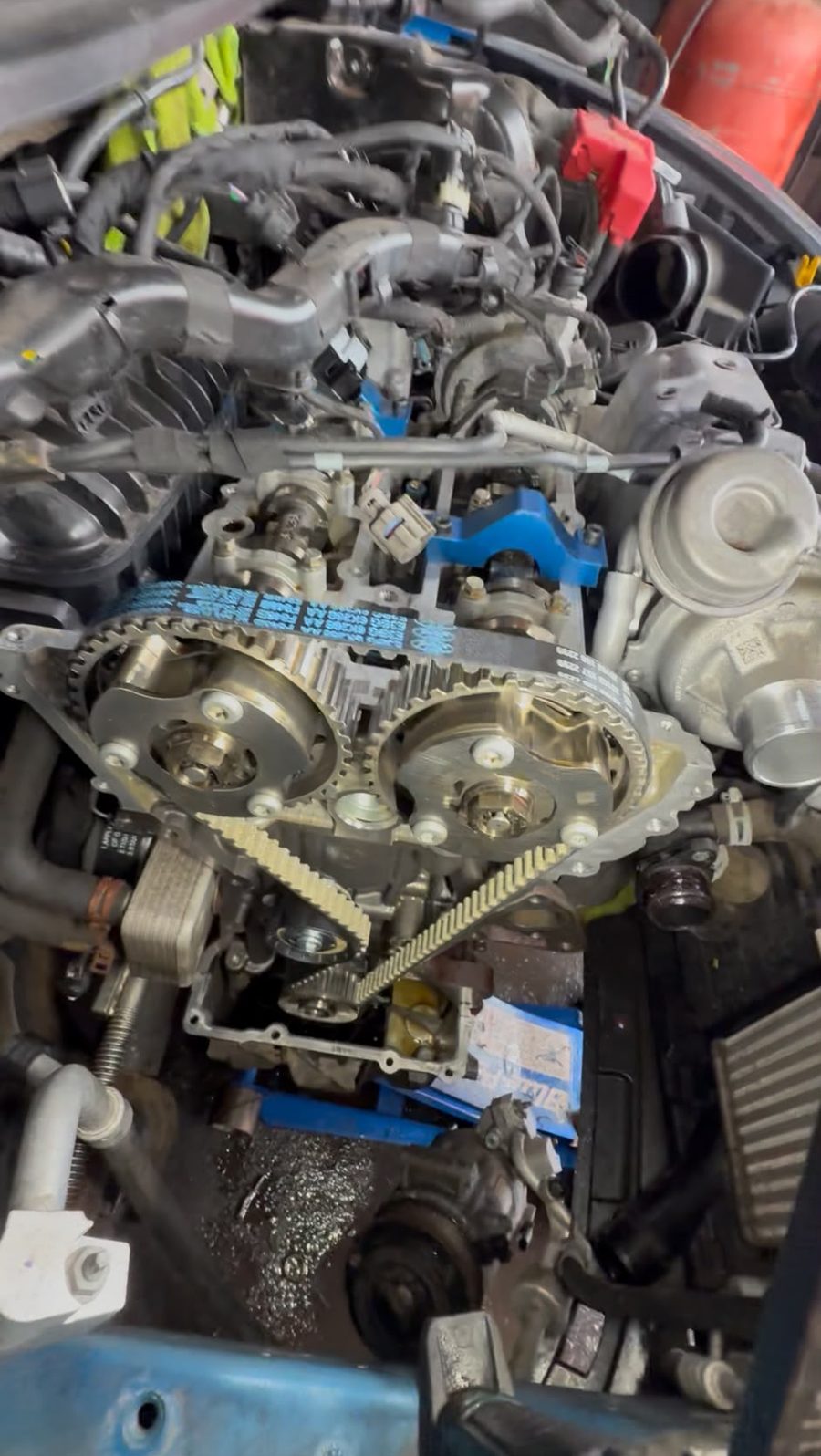
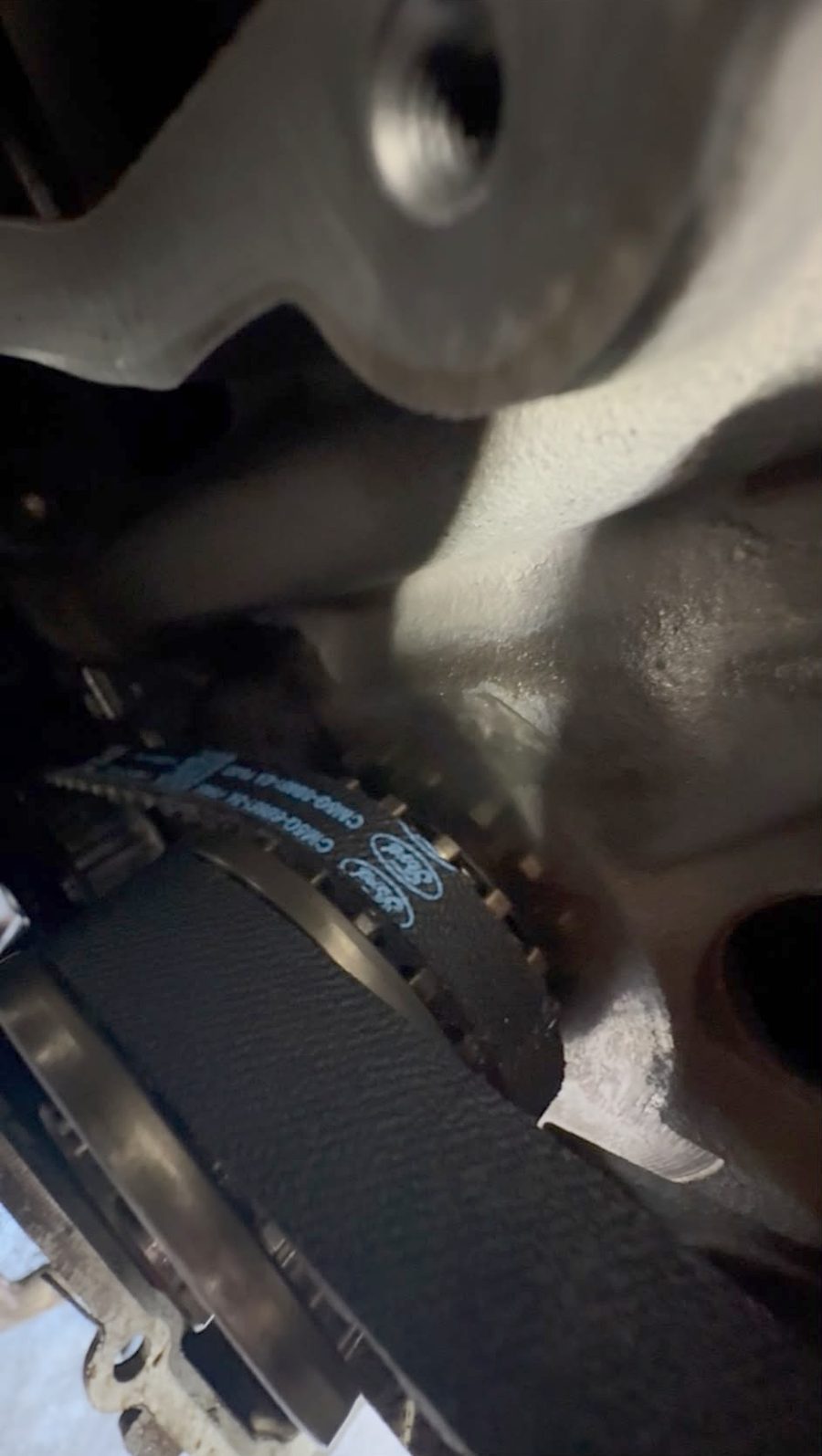
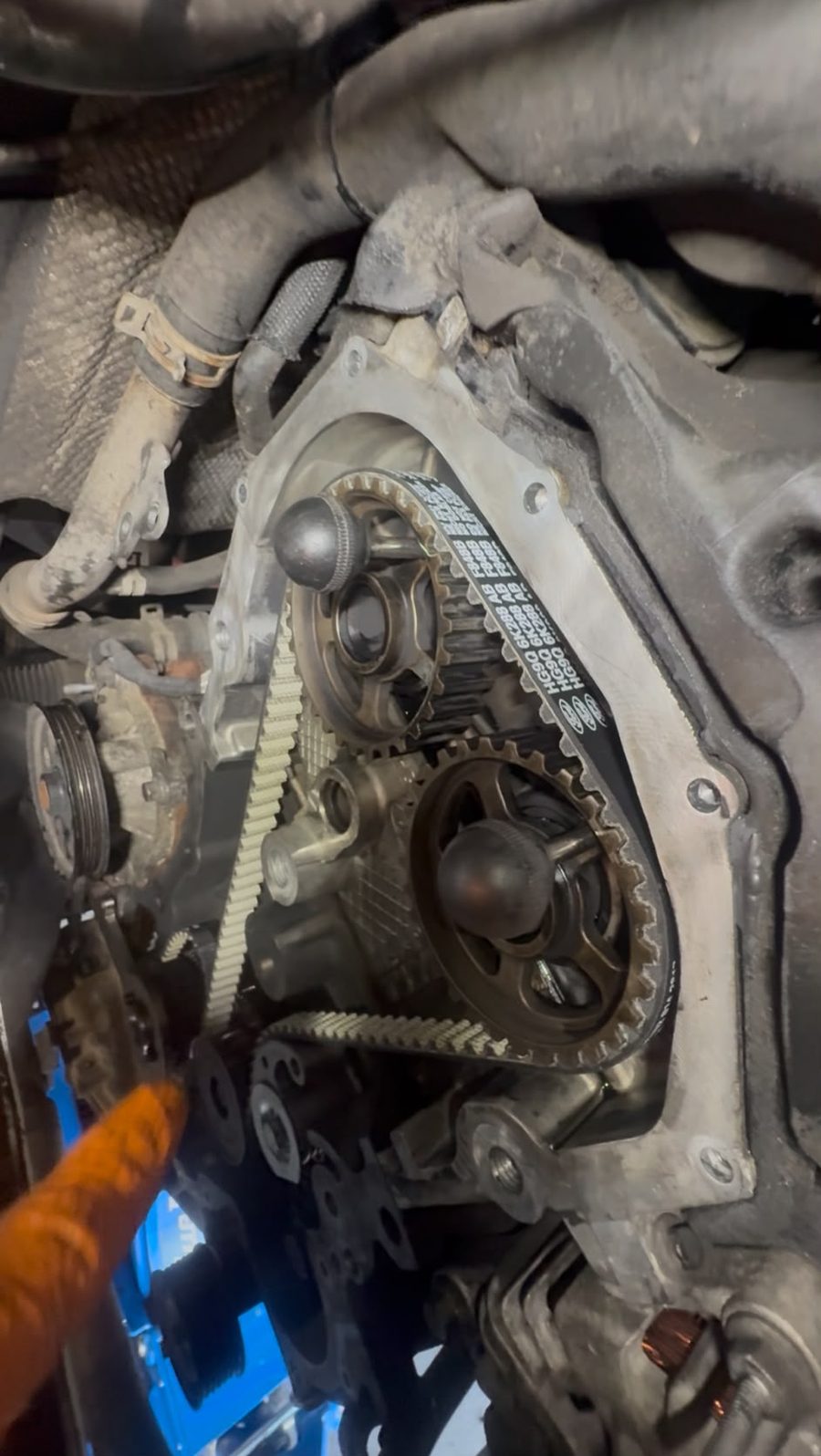
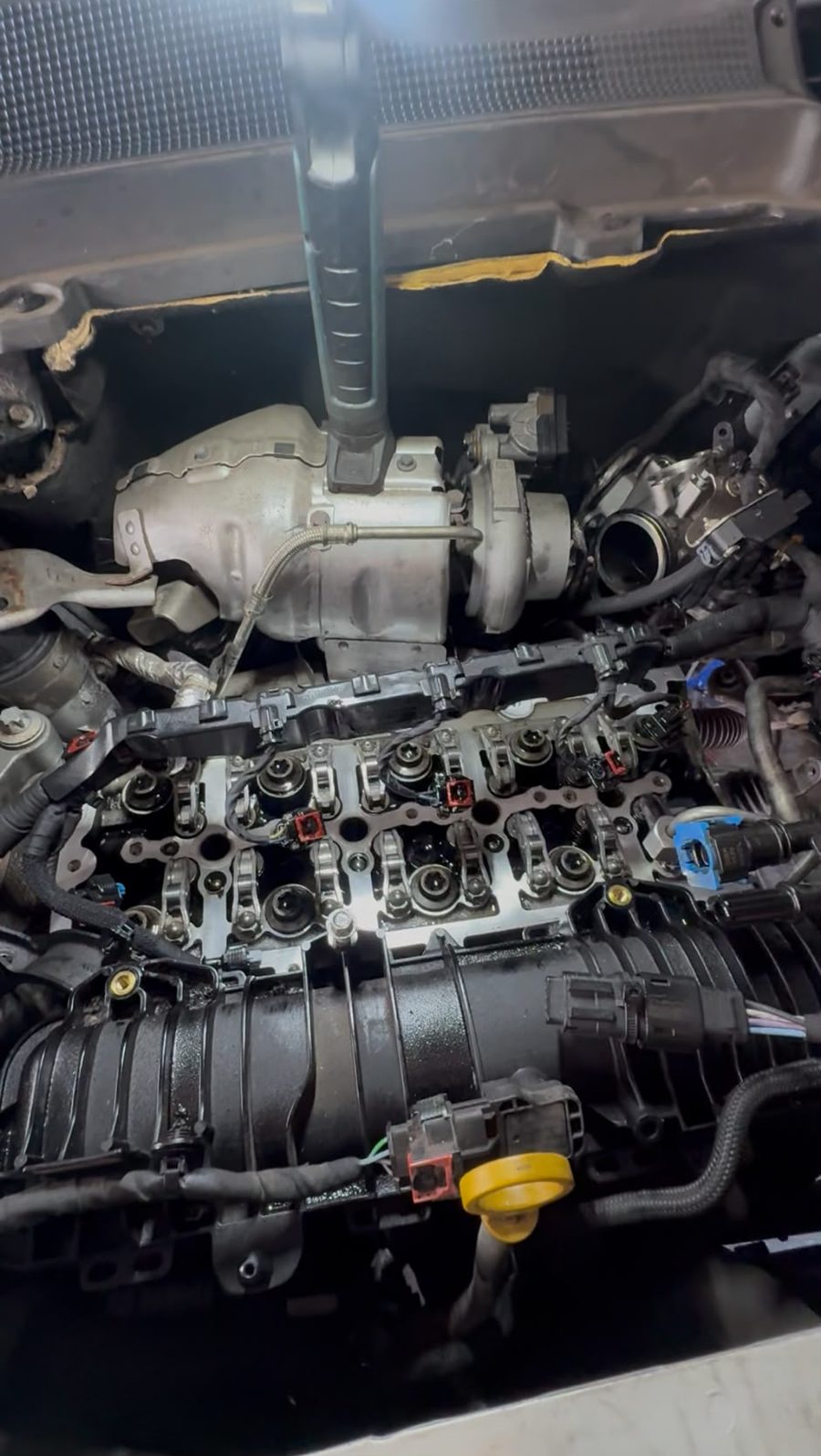
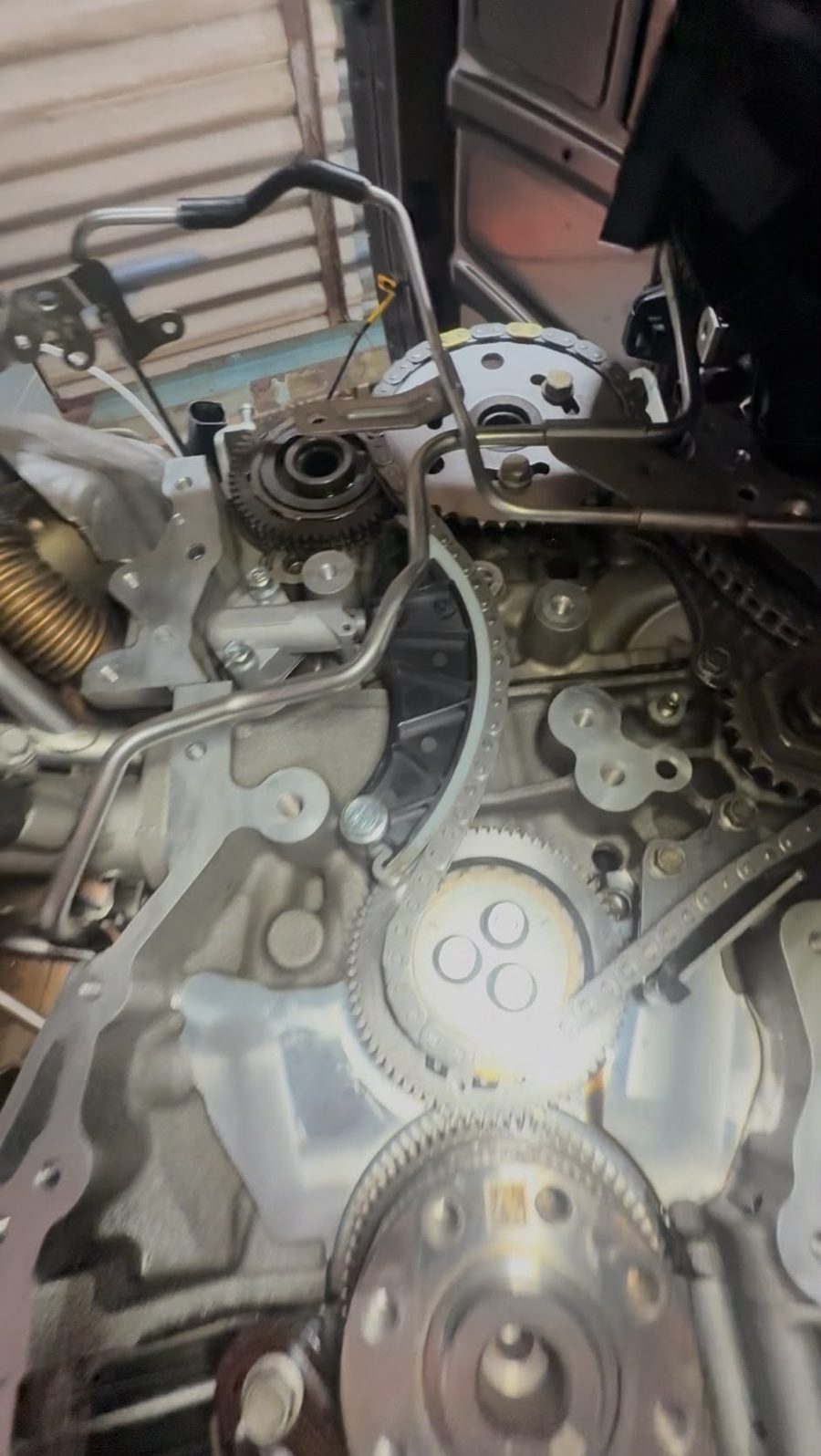
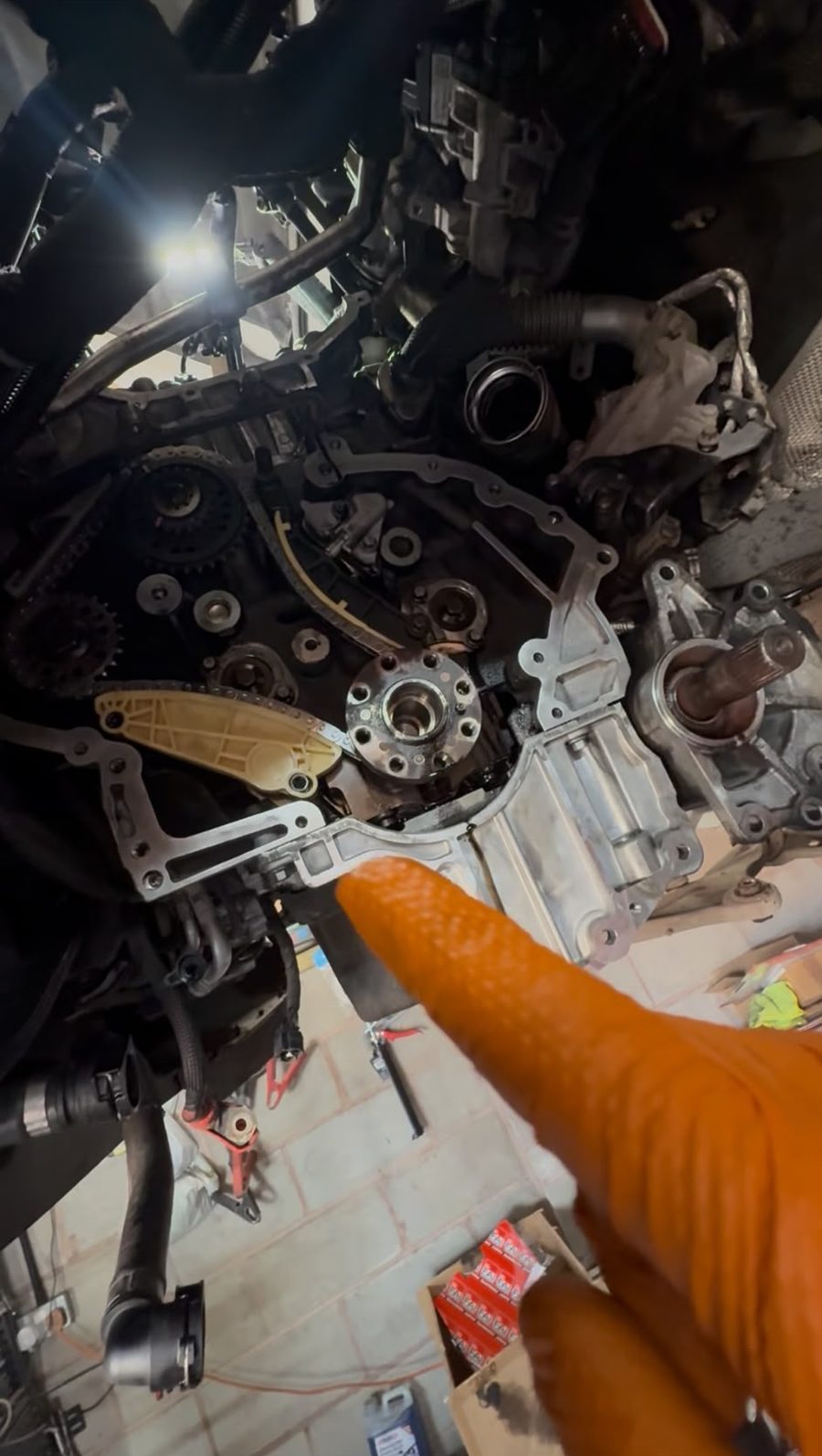
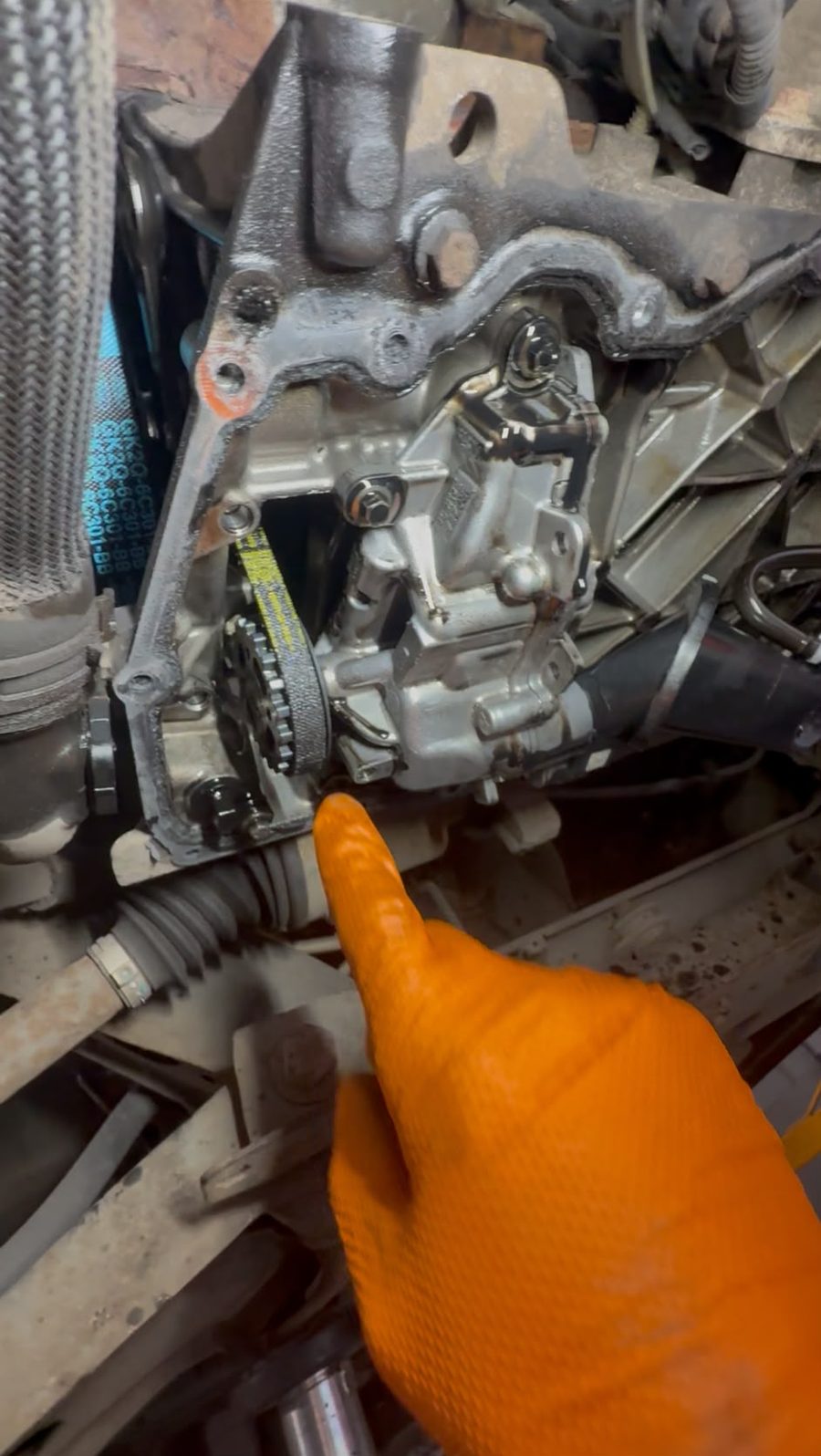
A wet belt (or belt-in-oil) is a timing belt that runs inside the engine, bathed in engine oil, instead of running dry behind a plastic cover. It does the same job as any timing belt: it keeps the crankshaft and camshafts turning in perfect sync so the valves open and close at exactly the right moment.
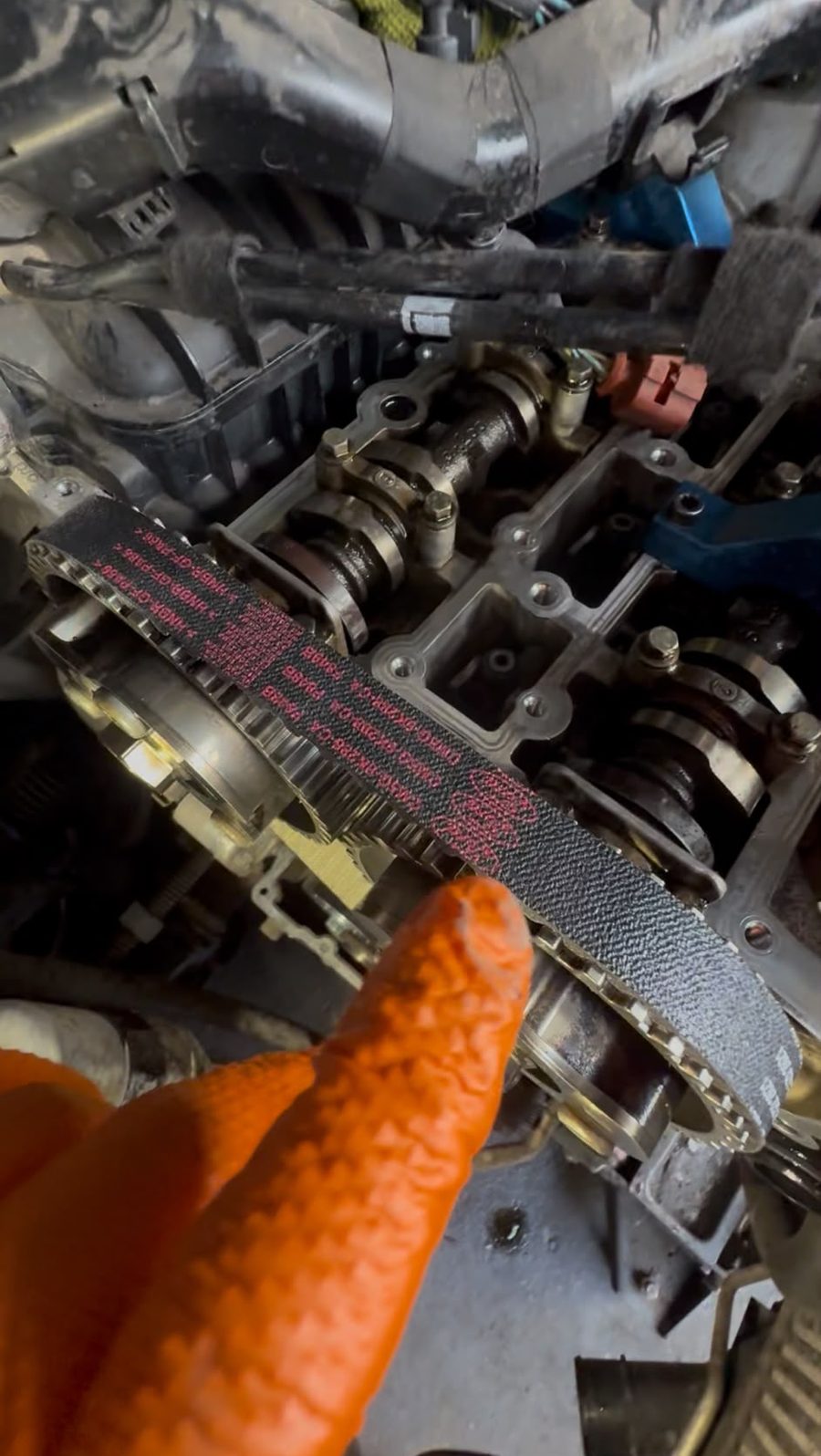
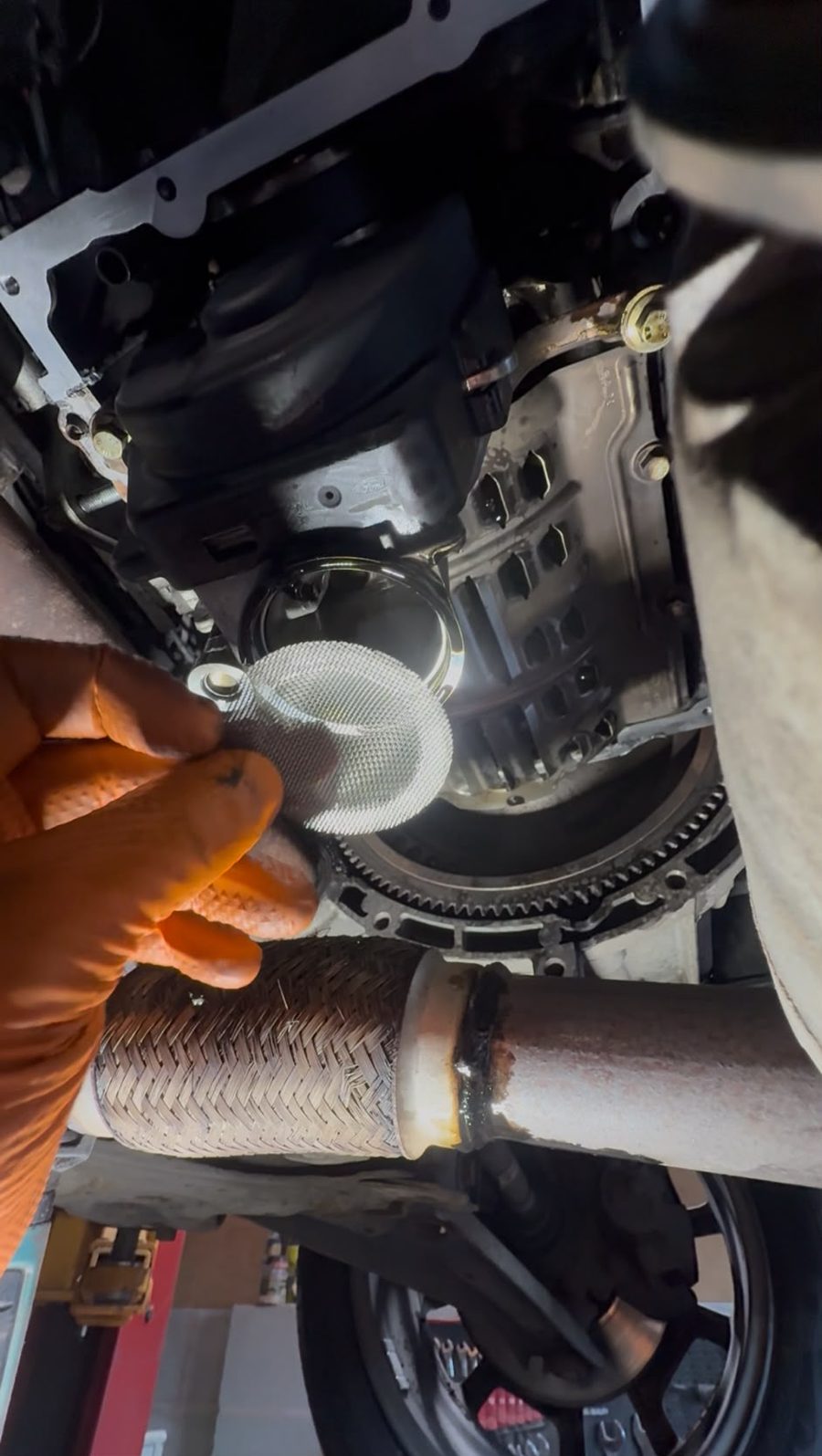
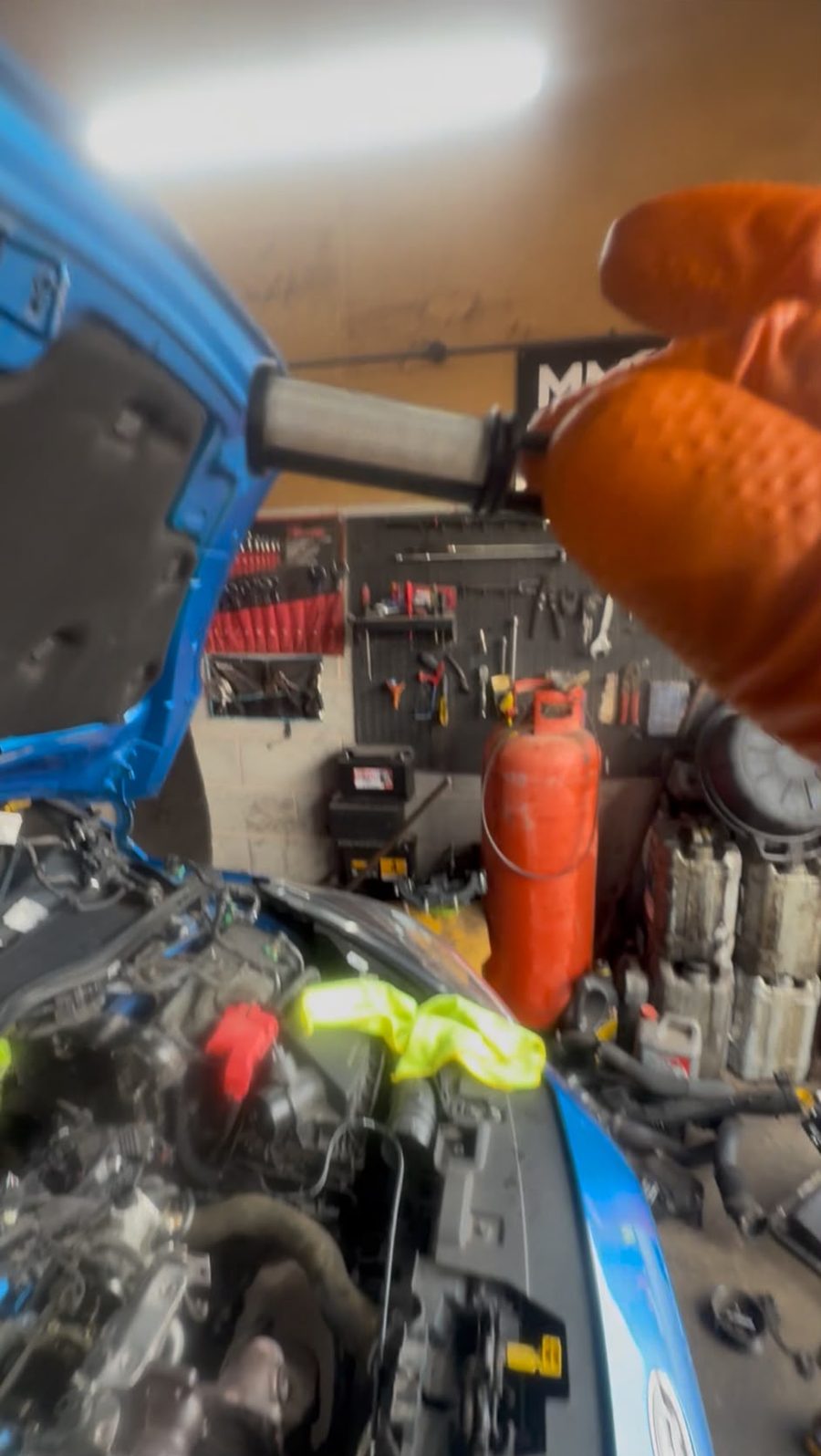
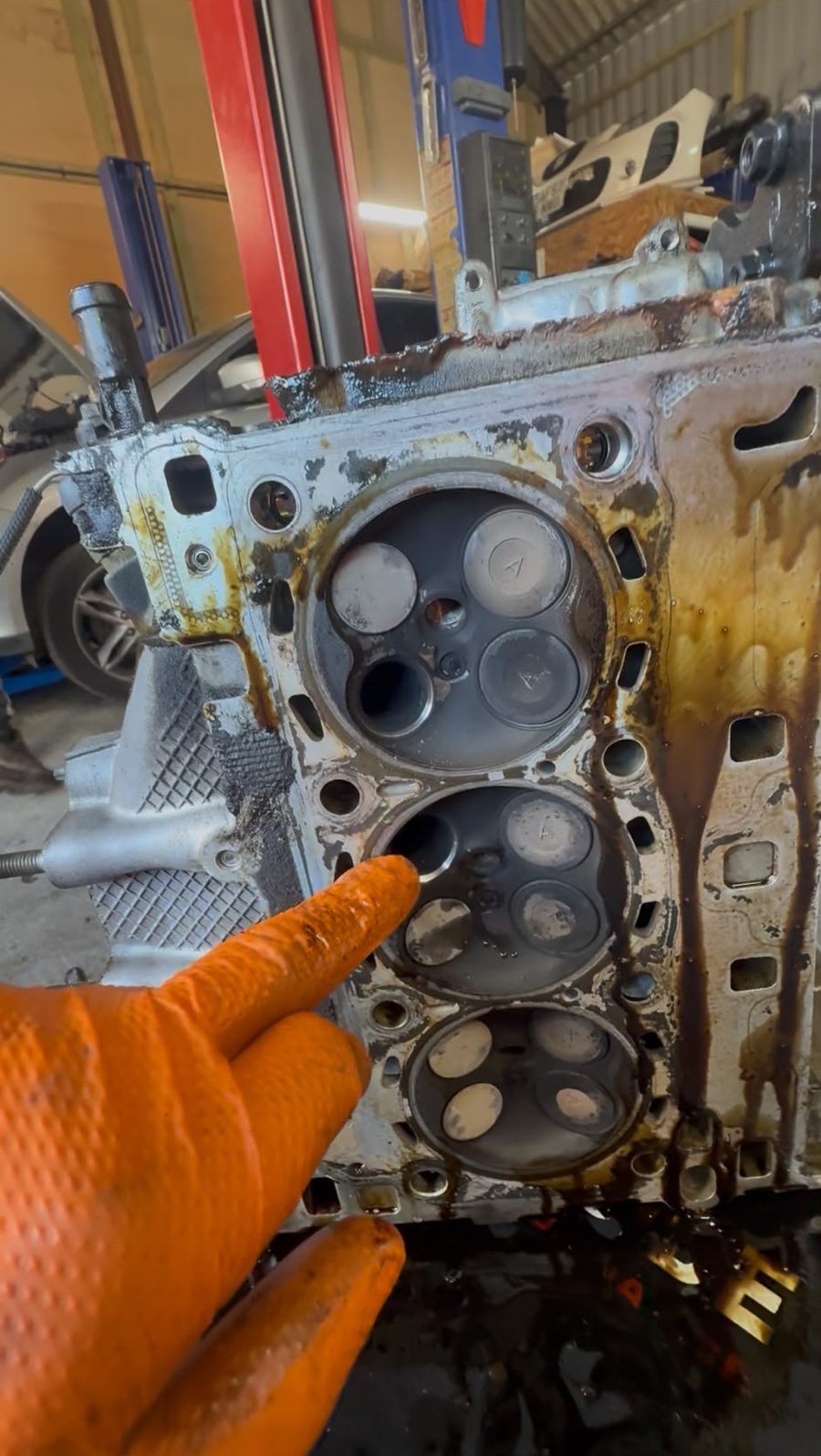
Running in oil makes the belt quieter and helps efficiency, but it also means the belt's condition depends heavily on the oil around it. Over time the belt material can degrade. If fragments break away they can be carried round the engine and block the oil pick-up strainer, which can lead to low oil pressure. And if a timing belt fails outright on an interference engine, the pistons and valves can collide, causing serious engine damage.
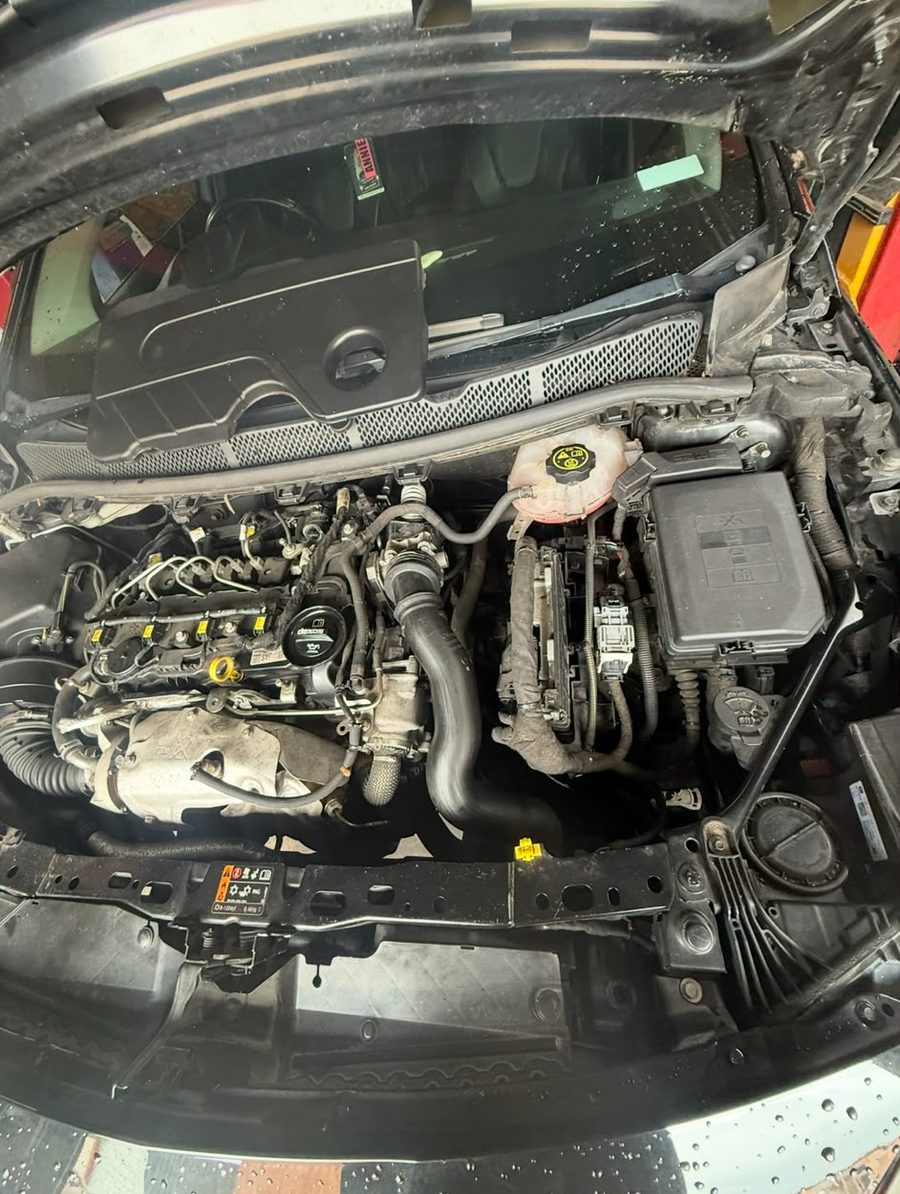
That's why manufacturers specify replacement intervals by mileage and age, and why oil to the correct specification matters. Ford and Stellantis have both shortened their intervals since many of these cars were sold: the 1.2 PureTech is now 100,000 km (about 62,000 miles) or 6 years, and Ford's 2.0 EcoBlue vans 6 years or 100,000 miles. Give us your registration and we'll check the current figure for your car.
Wet belt replacement in Stafford: engines, intervals, symptoms and price →